Condo Insurance in and around Shelby Twp
Get your Shelby Twp condo insured right here!
State Farm can help you with condo insurance

- Rochester
- Utica
- Sterling Heights
- Washington
- Eastpointe
- Warren
- Highland Park
- Auburn Hills
- Macomb
- Port Huron
- Roseville
- Southfield
- White Lake
- Troy
- Romeo
- St. Clair Shores
- Centerline
- Huntington Woods
- Clarkston
- Royal Oak
- Brighton
- Clinton Township
- Clawson
- Richmond
Your Search For Condo Insurance May End With State Farm
Are you committing to condo ownership for the first time? Or have you owned one for a while? Either way, it can be a good idea to get coverage for your condo unit with State Farm's Condo Unitowners Insurance.
Get your Shelby Twp condo insured right here!
State Farm can help you with condo insurance

Condo Insurance May Put Those Worries To Rest
Things do happen. Whether damage from freezing pipes, smoke, or other causes, State Farm has fantastic options to help you protect your condominium and personal property inside against unanticipated circumstances. Agent Cody Winer would love to help you build a policy that is personalized to your needs.
Shelby Twp condo owners, are you ready to discover what the State Farm brand can do for you? Call or email State Farm Agent Cody Winer today.
Have More Questions About Condo Unitowners Insurance?
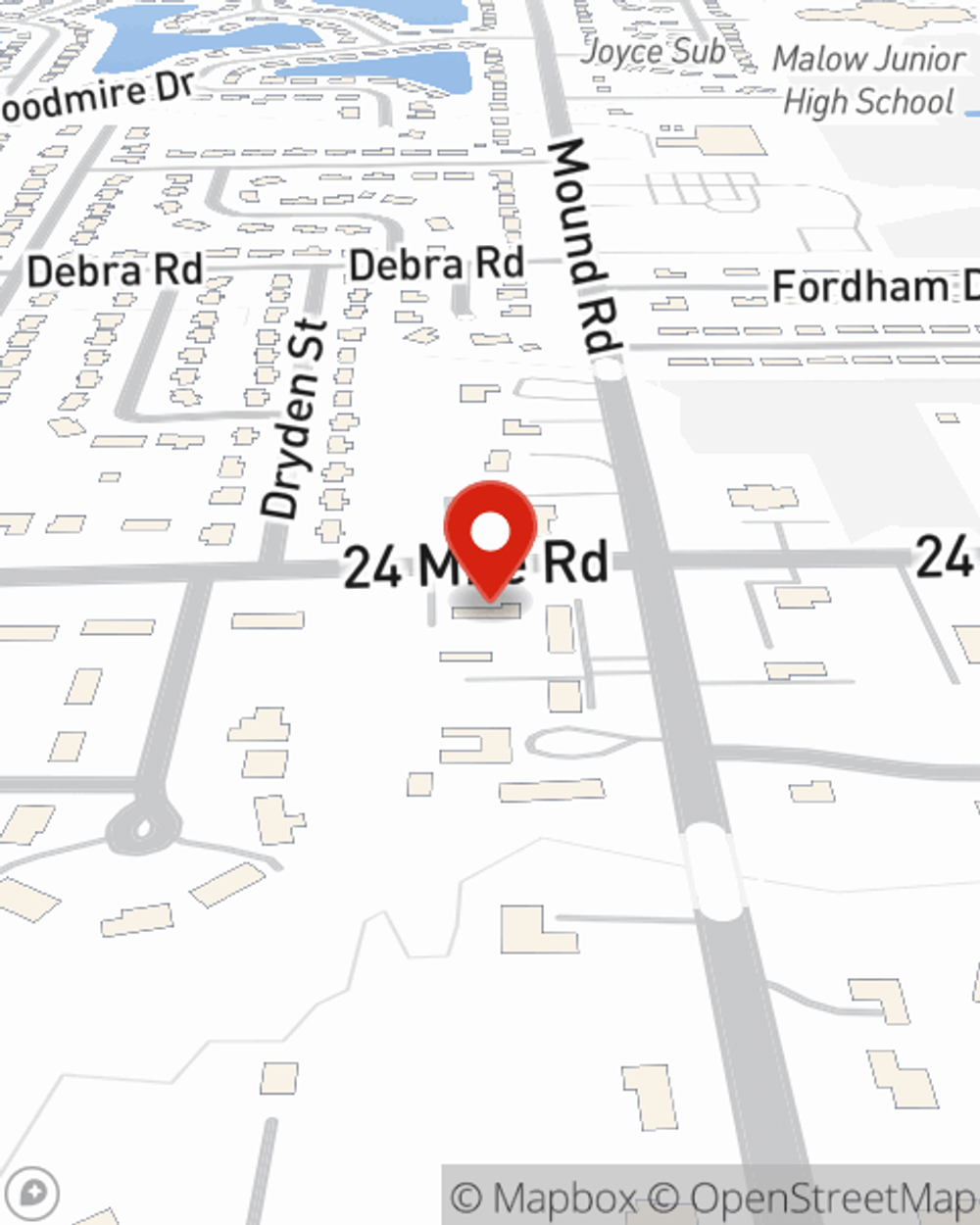
Call Cody at (586) 731-2222 or visit our FAQ page.
Simple Insights®
Pros and cons of buying a fixer-upper

Pros and cons of buying a fixer-upper
Buying a fixer-upper? Be aware of the renovation challenges you may face after purchase.
Help control your home monitoring system with your smartphone
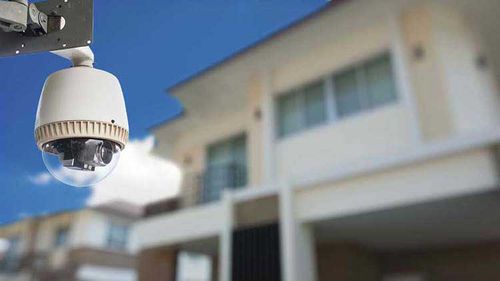
Help control your home monitoring system with your smartphone
The latest generation of smart home monitoring goes far beyond smoke detection and intrusion alerts.

Simple Insights®
Pros and cons of buying a fixer-upper
Pros and cons of buying a fixer-upper
Buying a fixer-upper? Be aware of the renovation challenges you may face after purchase.
Help control your home monitoring system with your smartphone
Help control your home monitoring system with your smartphone
The latest generation of smart home monitoring goes far beyond smoke detection and intrusion alerts.